
Urban Studies in India
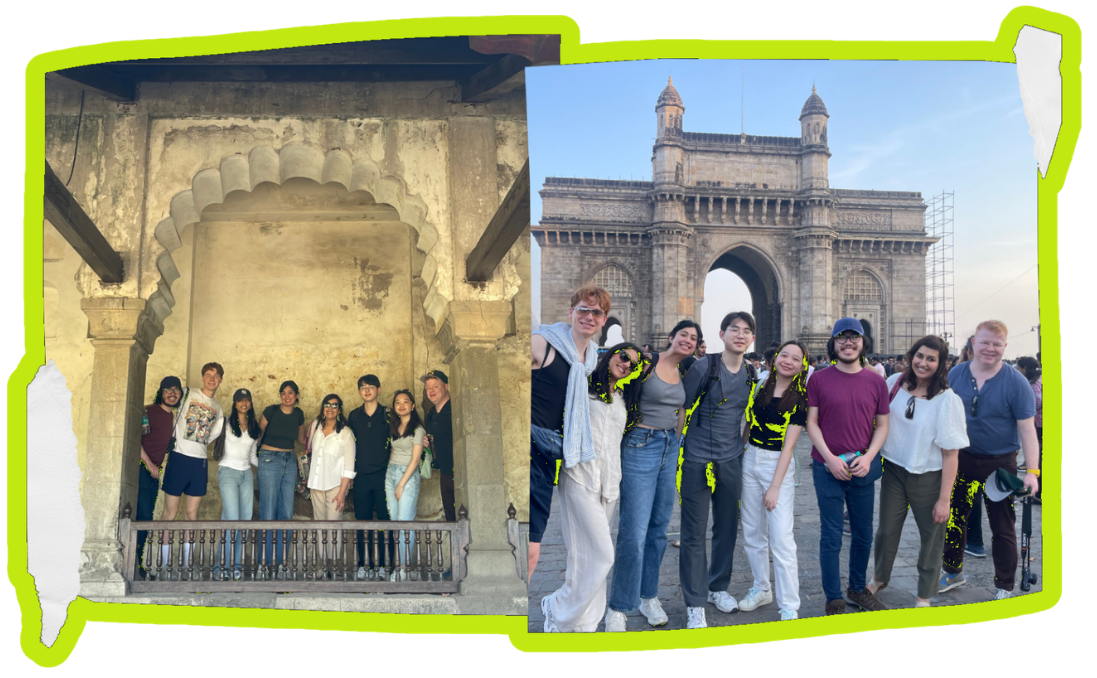
Our collaborative work in India combines community‑engaged courses and research to address complex urban issues, including transit equity, access to public information, LGBTQ+ (including transgender) rights, safety in public spaces, waste and sanitation, gender equality in peri-urban tribal communities, and climate change planning. The Urban Studies Program offers two India field courses: Urban Justice in the Global South – Walking Mumbai, and the International Multidisciplinary Urban Capstone Project (IMUCP, run in collaboration with the School of Cities) – India.
Collaborative Courses
In Walking Mumbai, Professor Mehta examines urban justice by walking the city with students and community partners. This immersive approach asks students to confront inequities through direct experience – to see, listen, smell, feel, and experience different geographies in Mumbai. By the end, each student designs a focused urban justice walking tour centred on a chosen site, theme, history, or route.
Since 2023, with support from the University of Toronto India Foundation and School of Cities India, Professors Mehta and Roberts have mentored seven multidisciplinary teams from the University of Toronto and Ashoka University in IMUCP – India. Students join David’s hybrid lectures and then collaborate remotely via Zoom in Aditi’s seminar for cross‑cultural exchange, examining power and systemic inequities in the Pune/Mumbai context, ethical international fieldwork, and respectful practice with marginalized groups. Working with partners such as the Pune Municipal Corporation, the SWaCH Cooperative, YUVA, and the Raah Foundation, teams have produced useful research and design outcomes for community partners.

Collaborative Research
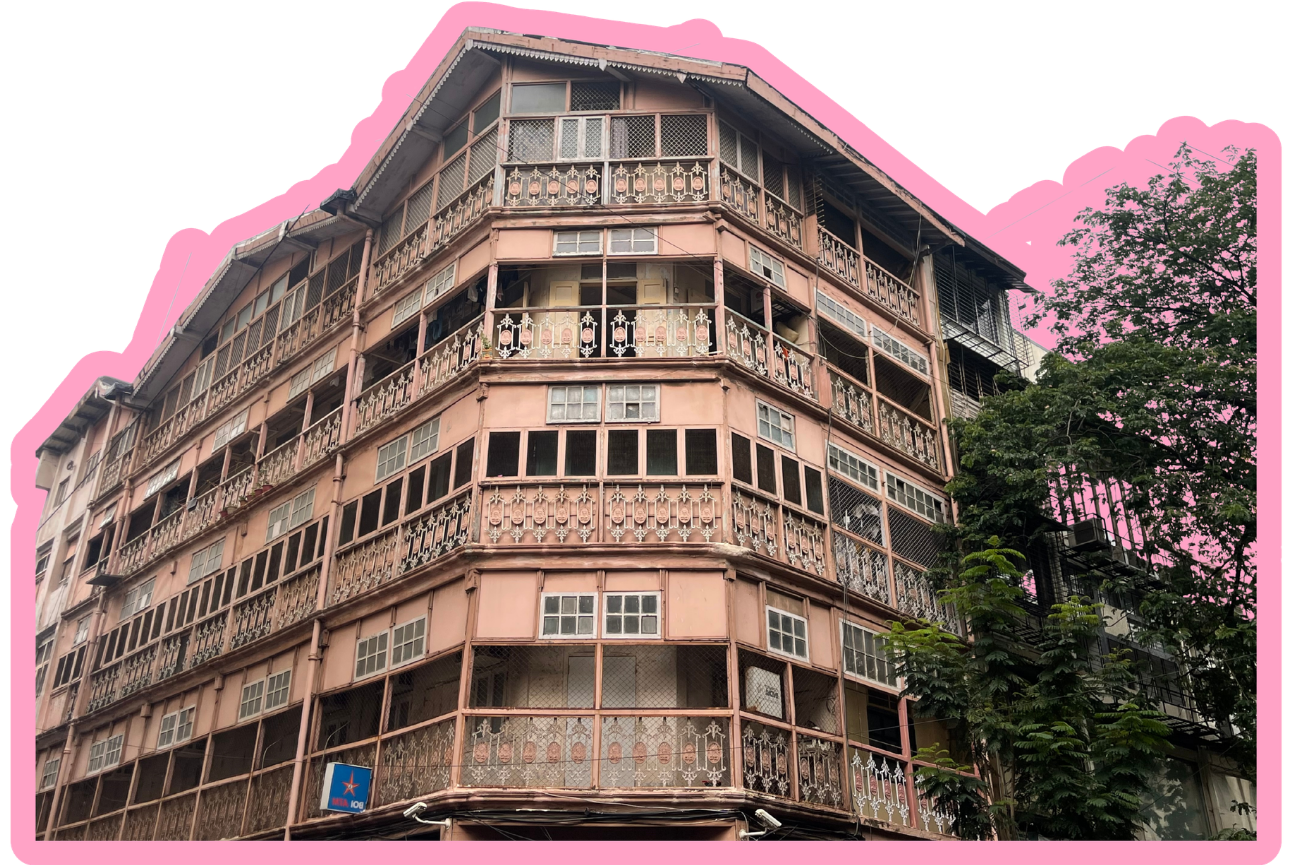
Professors Mehta and Roberts also lead community‑engaged research with non‑profit groups in India.
Reporting Dharavi: Understanding local news and knowledge networks for environmental action (co‑PIs: Aditi Mehta, Kareena Kochery, urbz and Samidha Patil, urbz) studies how community media – including WhatsApp groups, street posters, local radio, podcasts, neighbourhood newsletters, theatre, and youth‑made videos – support environmental action in Dharavi, an economic hub and South Asia’s largest informal settlement of roughly one million residents facing redevelopment pressures. The project maps what these media report about the environment, how residents use them to organize around displacement, climate change, waste, air quality, and water access, and how partners like urbz and the Dharavi Koli Jamat can use them to enable inclusive, participatory planning. Findings will help urbz and the Koli Jamat co‑design culturally grounded solutions and identify practices transferable to informal settlements globally.
ICAP: Inclusive Climate Action Planning (co‑led by David Roberts and YUVA), developed with the State Climate Action Cell of Maharashtra, centres informal workers in Akola and Nagpur, who make up over 90% of urban employment yet are often overlooked in City Climate Action Plans. The project combines ward‑level hazard mapping using GIS to locate extreme‑heat and flood hotspots for groups such as street vendors, waste segregators, and construction workers; an ICAP guidebook with policy roadmaps and coordination strategies; and global advocacy to support uptake in municipal plans, with planned dissemination of the model at COP31 in 2026. The aim is to make urban resilience inseparable from social and economic justice.