Our Approach:
Toronto as the Classroom
At the City Collaborative, community-engaged learning is the foundation of our approach to studying and advancing social justice in the city. We view the city as a dynamic classroom for city-building, advocacy, and research. While the majority of our partnerships are based in Toronto, we continue to expand our reach to new cities and regions, utilizing both in-person and remote collaboration models to facilitate impactful work.
In practice, this commitment means:
Centring Community Perspectives: We are dedicated to prioritizing community voices on the challenges and opportunities facing contemporary urbanites
Bridging Theory and Practice: Our initiatives connect academic discourse to real-world events, ensuring research and teaching remain responsive to the world around us
Fostering Civic Responsibility: We aim to inspire a personal vision for more livable and just urban futures by teaching civic and social responsibility
Foundational Engagement
Pathways for Engagement
The City Collaborative supports a range of courses and initiatives that prioritize community-engaged learning across different levels of study:
Introduction to Urban Studies (URB236H): Students begin their engagement through 12-hour placements with community organizations, using these experiences to connect academic readings to the practicalities of city-building.
Specialized Research & Policy
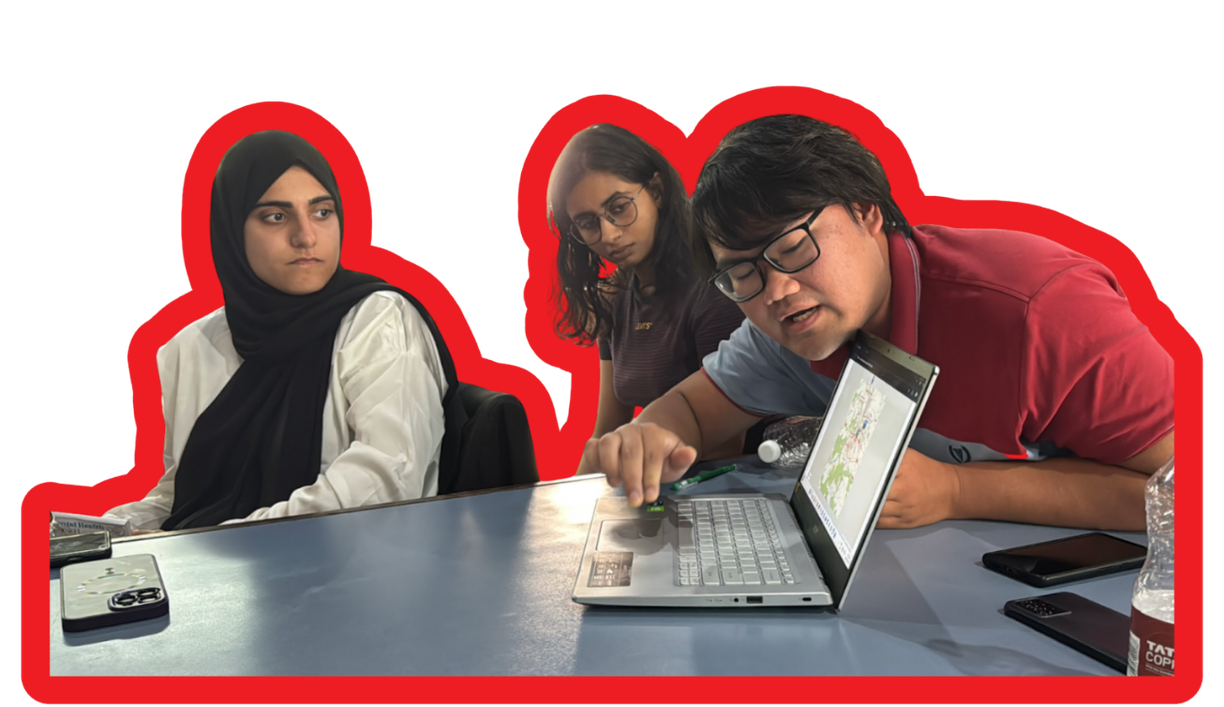
Housing and Homelessness (URB337H & URB433H1): These courses allow students to engage directly with policy experts and individuals with lived experience to address the complexities of urban housing
City Challenges & Opportunities (URB335H): A unique partnership between the City of Toronto and local post-secondary institutions, where students learn directly from municipal policy makers.
Public Participation in Policy Making (URB432H): Focused on the mechanics of inclusive urban governance
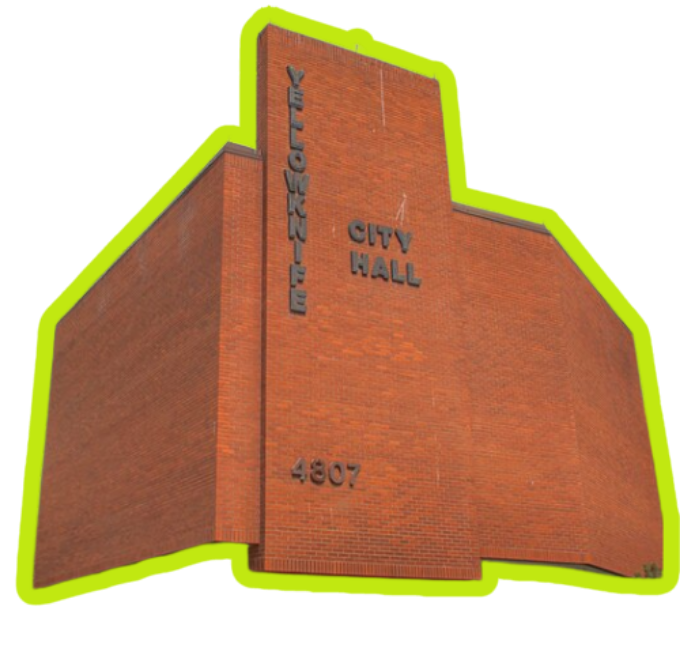
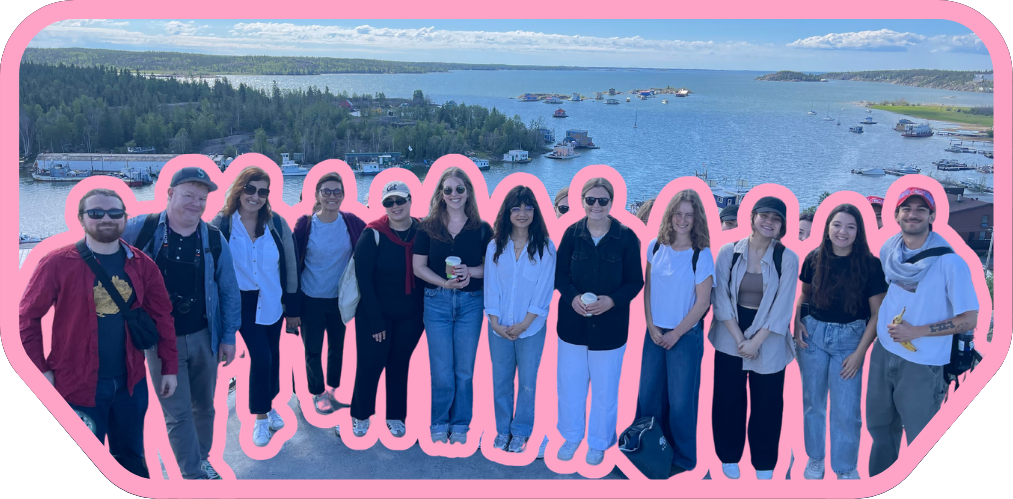
Multidisciplinary Urban Graduate Seminar on Yellowknife: In the wake of the 2023 wildfires, graduate students visited Yellowknife with professors Mehta and Roberts to explore how to prepare, respond to, and recover from disasters while also prioritizing justice
Intensive Capstone Projects
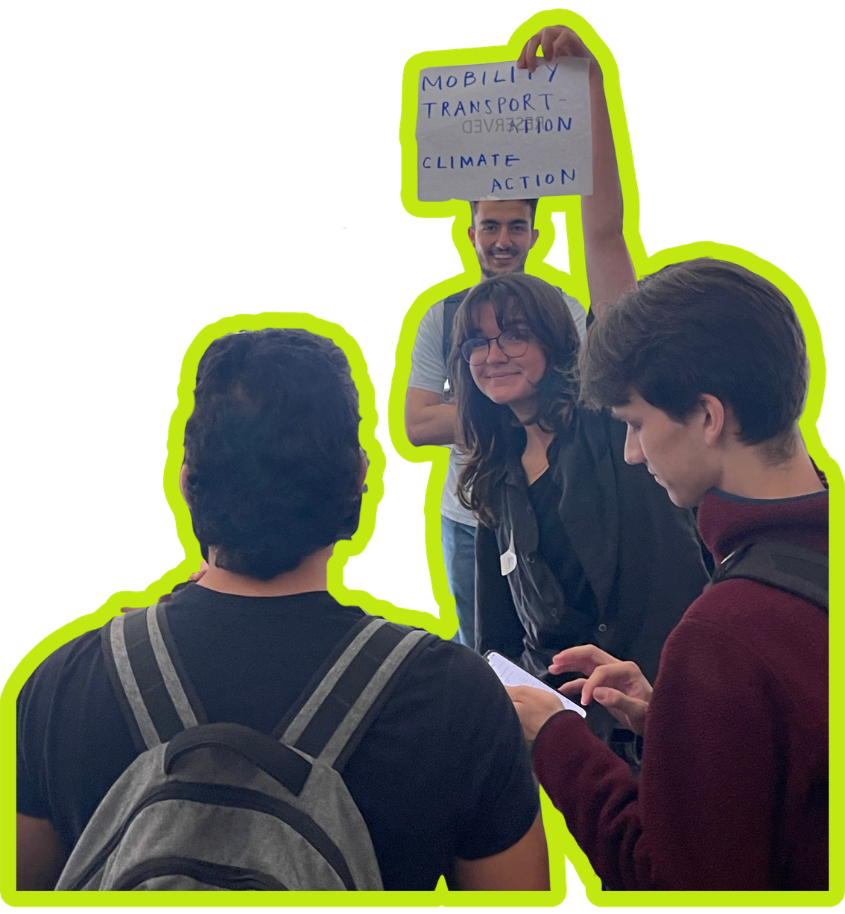
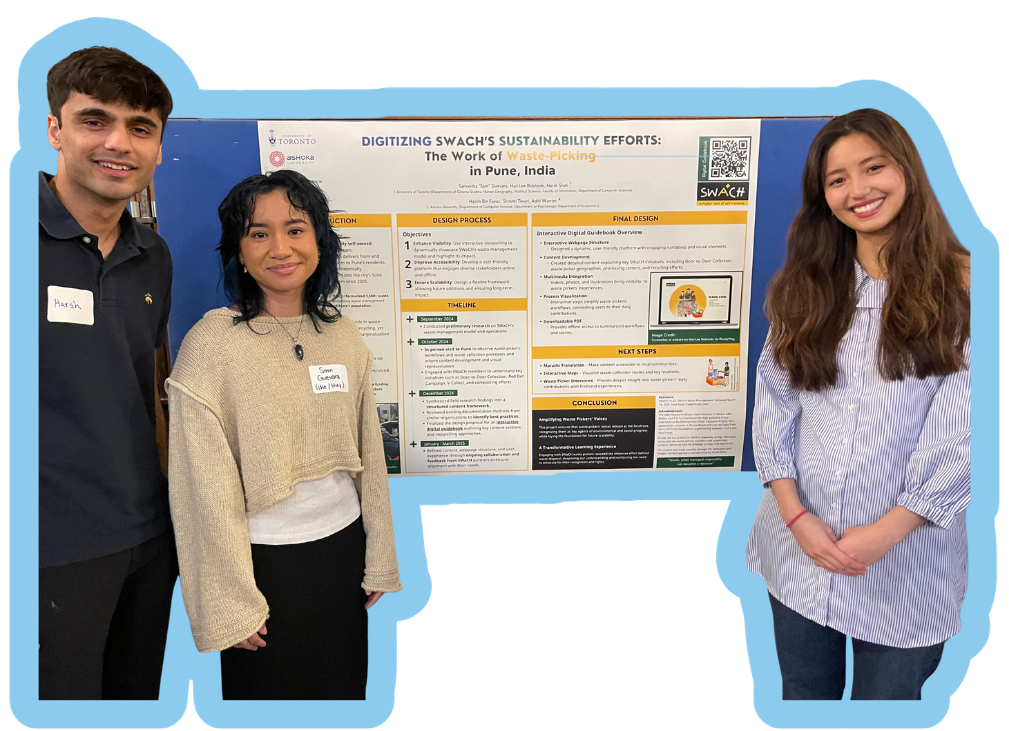
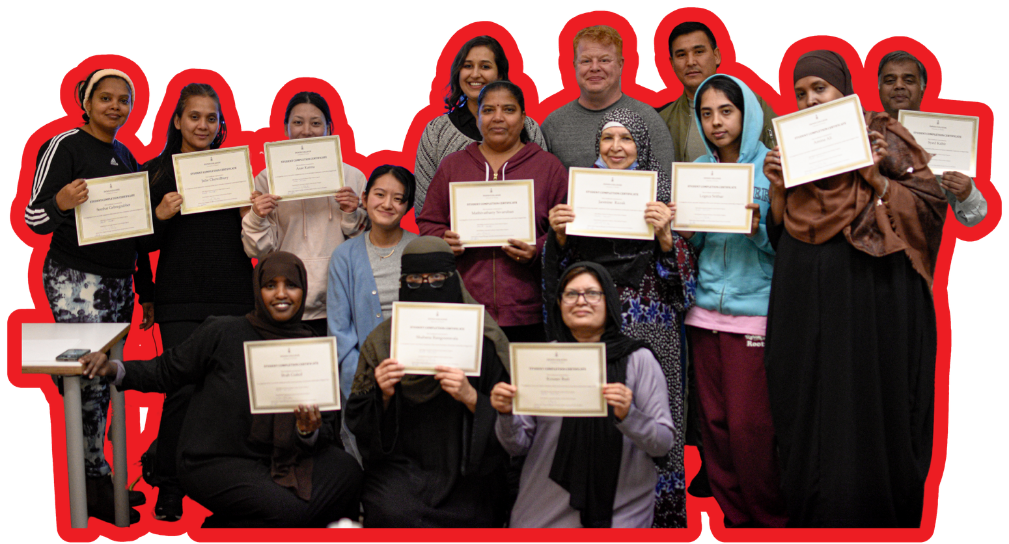
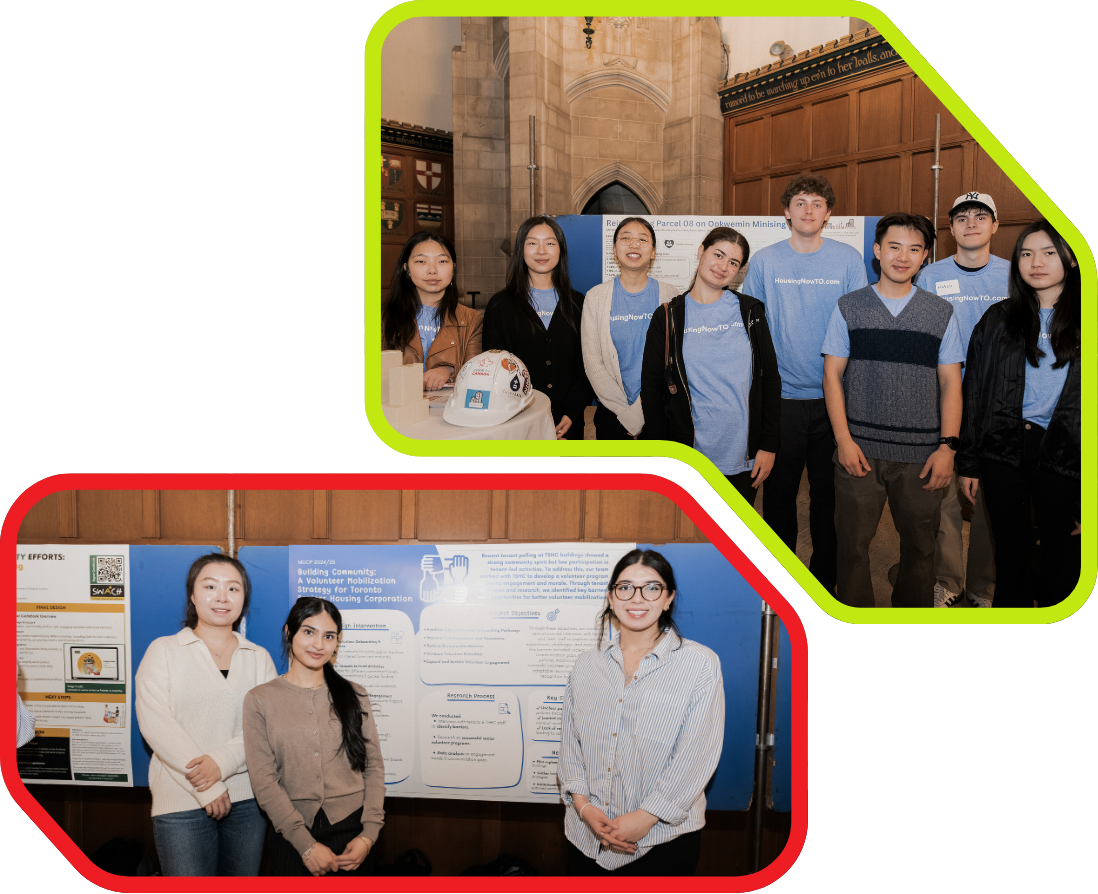
The Multidisciplinary Urban Capstone Project (URB431Y): Teams of students from across the university collaborate with community organizations to consult on specific design challenges and develop prototype solutions
Urban Experiential Learning (URB437Y): An intensive year-long placement (8 hours per week) that provides students with a deep immersion into the professional world of city-building
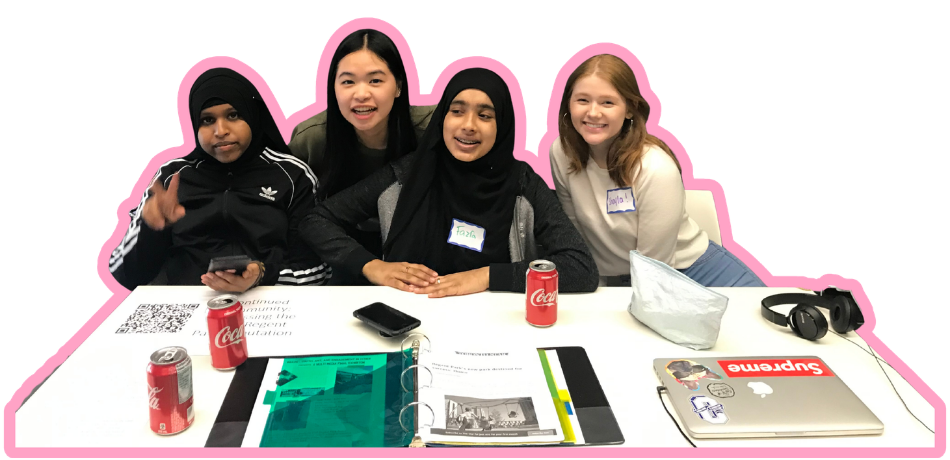
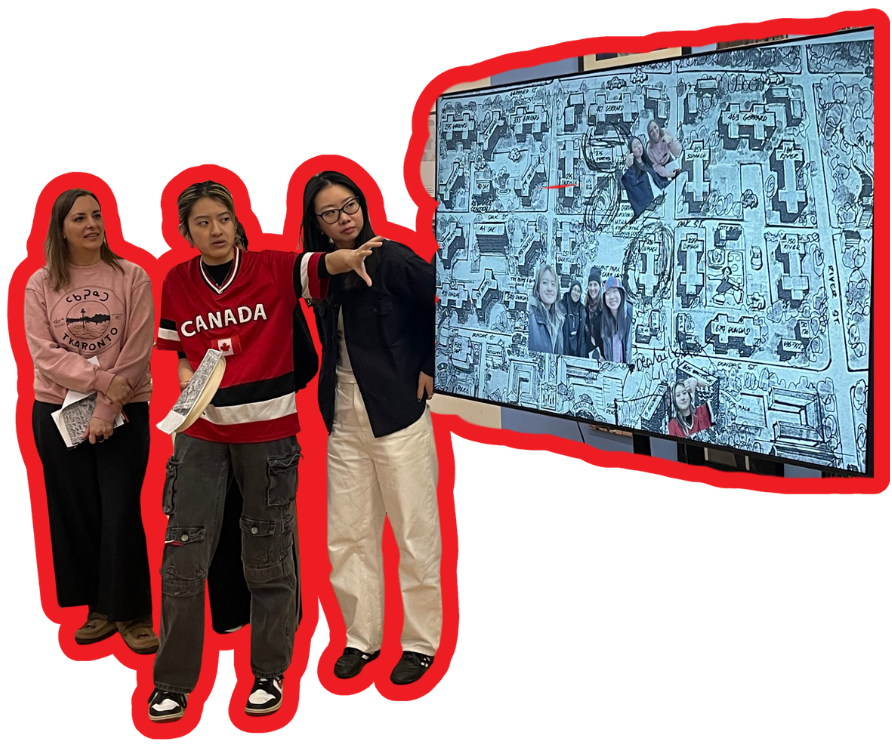
The Changing Culture of Regent Park (URB440H): In partnership with the Focus Media Arts Centre, students work with local residents to learn about the history of a rapidly changing neighbourhood and co-produce media projects that highlight specific community issues, culminating in a public exhibition
Featured advanced learning opportunities
The Changing Cultures of Regent Park (URB 440 / PLA 1517):
Taught by Professor Aditi Mehta, The Changing Cultures of Regent Park is a joint undergraduate and graduate course for University of Toronto (U of T) students. It is built around an ongoing collaboration with the non-profit organization FOCUS Media Arts, established to counter negative stereotypes of the Regent Park community in the news and provide journalism production training and media literacy to residents living in the area. This class empowers students to engage responsibly with media to advance social justice while creating sustainable partnerships that benefit both the university and the Regent Park community through knowledge mobilization beyond traditional academic boundaries.
U of T undergraduate and graduate students work alongside Regent Park residents to learn about the history of the rapidly gentrifying neighbourhood. Classes take place at the FOCUS Media Arts Centre and draw on the situated knowledge of residents, community media, popular culture, academic journal articles, mainstream media, as well as in-class discussion, neighbourhood walks, and media-making. U of T students and Regent Park residents collaborate and work in small groups to create media projects addressing neighbourhood issues or concerns.
Multidisciplinary Urban Capstone Project
The Multidisciplinary Urban Capstone Project/International Multidisciplinary Urban Capstone Project (MUCP/IMUCP) is a joint initiative of the Urban Studies Program and the School of Cities at the University of Toronto (U of T). A full year course for senior undergraduate students from across U of T’s campuses, it matches multidisciplinary teams with projects identified by community partners, to develop actionable interventions that advance city-building goals. Over the course of the academic year, teams research, propose, and ultimately prototype an intervention to address this challenge.
Since becoming Academic Director in 2022, Professor David Roberts has evolved the program into a collaborative design studio that bridges the gap between classroom theory and urban practice. To date, he has overseen 74 student projects and mentored over 350 students as they navigate the complexities of real-world urban challenges.
Every year, MUCP works with 10-15 community partners in the Greater Toronto Area, and IMUCP has worked with projects in New York City, Venice, and St. Kitts. IMUCP also maintains a close partnership with community and municipal projects in India, whereby Toronto-based teams work with teams at Ashoka University. Professor Aditi Mehta, IMUCP’s India Lead, accompanies the U of T students to India each year to visit the projects and work with the Indian student teams in person.
Yellowknife: Understanding the wildfires
In 2023, wildfires ravaged Canada, burning more square-kilometers of land than ever recorded in the country’s history. The capital city of Yellowknife in the Northwest Territories facilitated an unprecedented evacuation of over 20,000 residents as forests blazed. Canadian cities such as Yellowknife must grapple with how to prepare, respond to, and recover from disasters while also prioritizing justice. With that said, what does it mean for a remote/rural city to be resilient to wildfires?
In this graduate summer field course, students visited Yellowknife from June 23-28, 2024 to explore this question in the context of housing policy and communication infrastructure. Through site visits, interviews, and focus groups with municipal and provincial officials, community-based organizations, residents, and Indigenous leaders, students investigated how the housing crisis and climate change are intertwined and explored how to build more resilient communication infrastructure in Yellowknife.